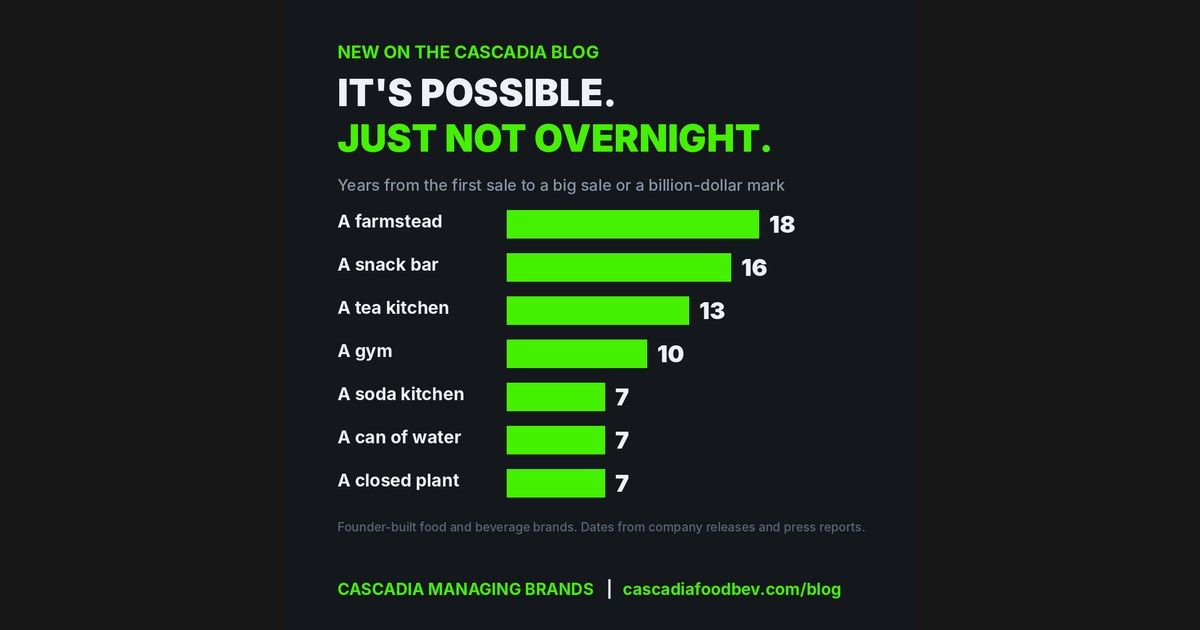
This article shares inspiring stories of seven founders who built successful food and beverage brands over many years, highlighting the realities behind their journeys.
Sauce Was a Commodity. Then Somebody Charged $8.
Rao’s jarred pasta sauce challenged commodity pricing with $8 jars, shifting consumer behavior and growing rapidly through major retailers.
You’re Calling Us Too Late
This article explains why brands often call consultants too late after costly mistakes and how early help can save time and money.
The Bottleneck Is You
This article explores how founders become bottlenecks in their growing brands and offers strategies for letting go and delegating to scale effectively.
Everybody Gets a Margin Except You
This article breaks down the profit distribution in the CPG supply chain, showing why founders earn the smallest slice of revenue.
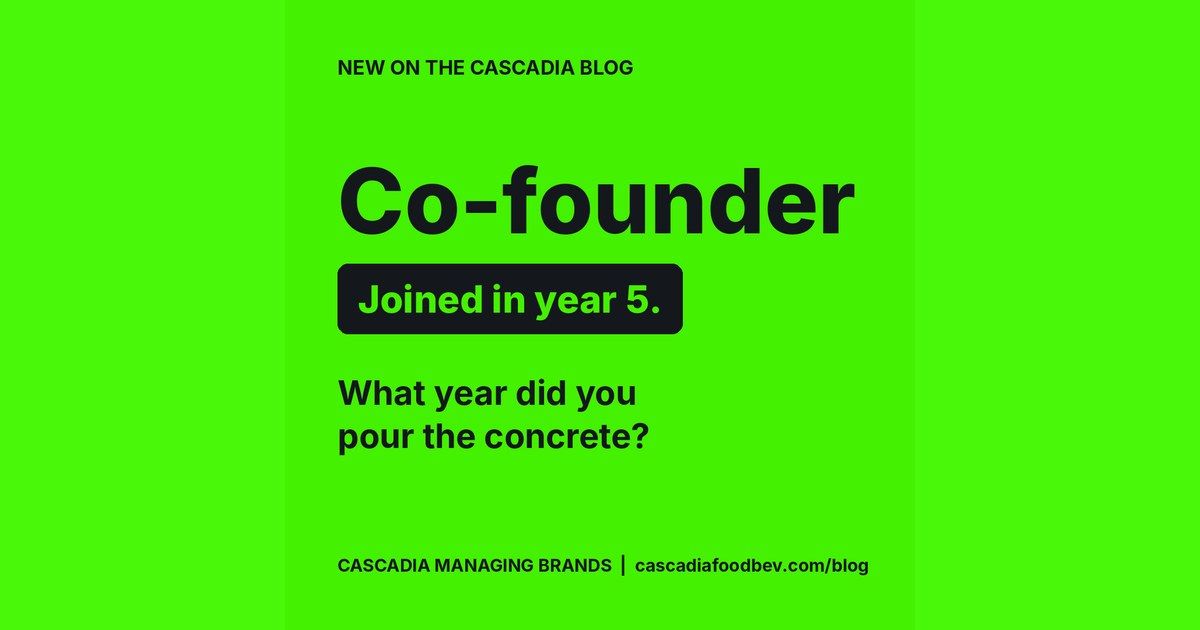
You Can’t Co-Found Something That’s Already Founded
This article challenges the misuse of the co-founder title, emphasizing it belongs only to those present at a company’s founding, not latecomers.
The Poppi Blog 10 22 26
Pepsi bought Poppi, but can a big company buy the feeling that made a brand cool? A look at authenticity, distribution, and the choices CPG founders face as they grow.
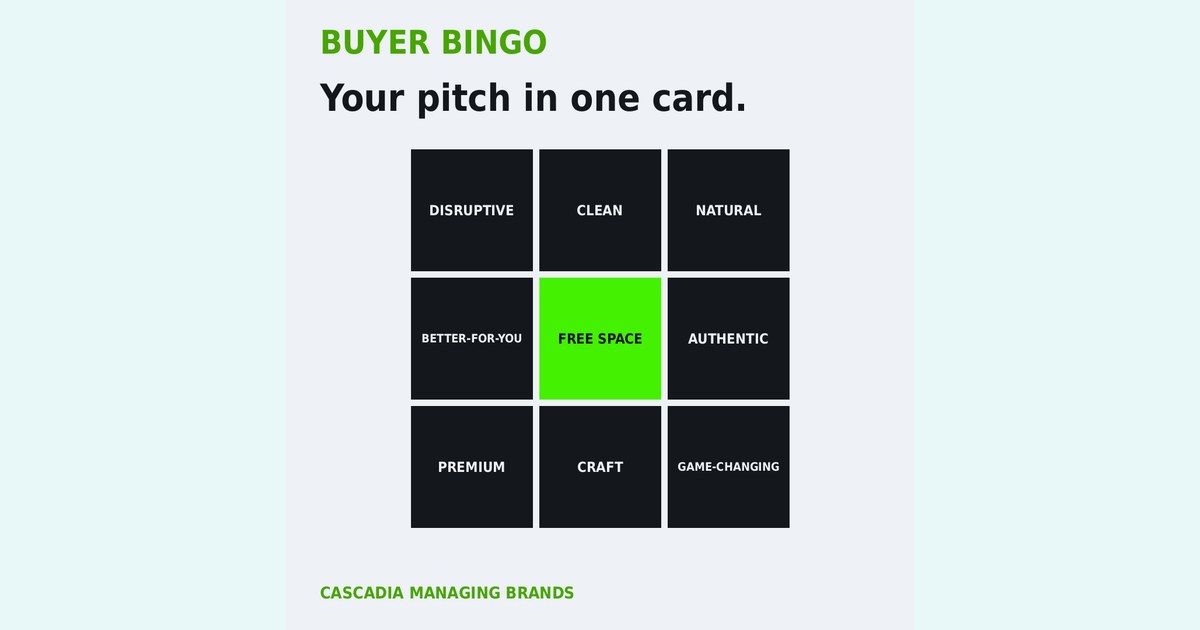
Buzzword Bingo Blog 10 15 26_1
Common food and beverage buzzwords like disruptive, clean, natural, and better-for-you often fail to convince buyers who want clear facts and data.
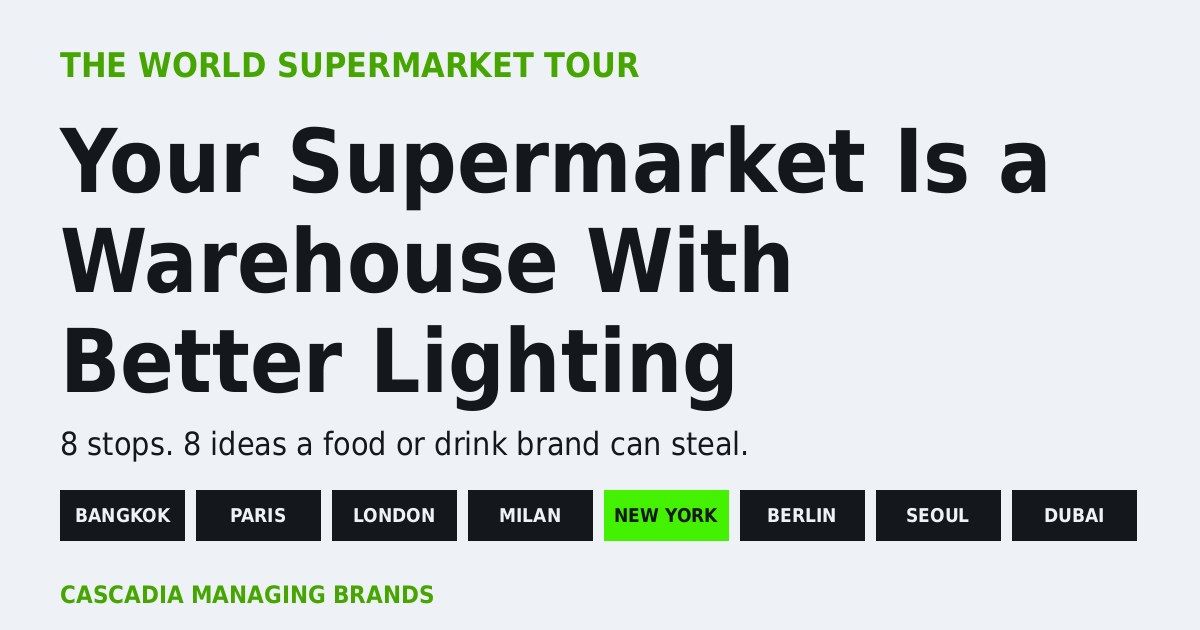
World Supermarket Tour Blog
Discover how supermarkets from Bangkok to New York offer distinct shopping experiences that challenge the typical American grocery store model.
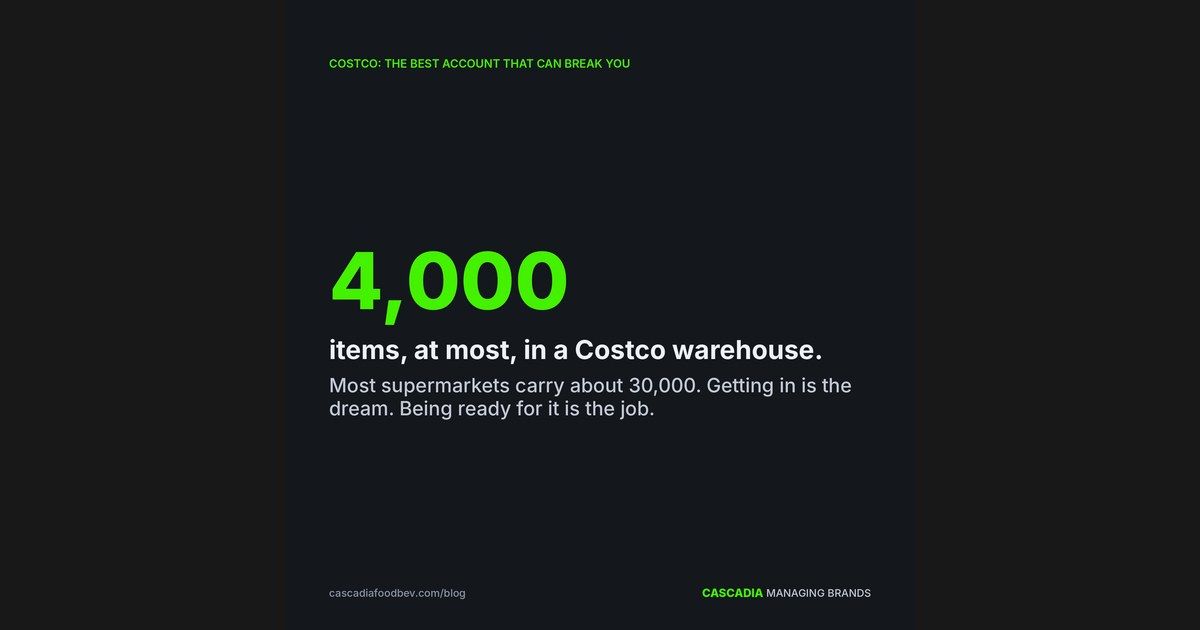
Costco: The Best Account That Can Break You
Discover why a Costco purchase order can boost your brand or break your bank and how to prepare for it properly.
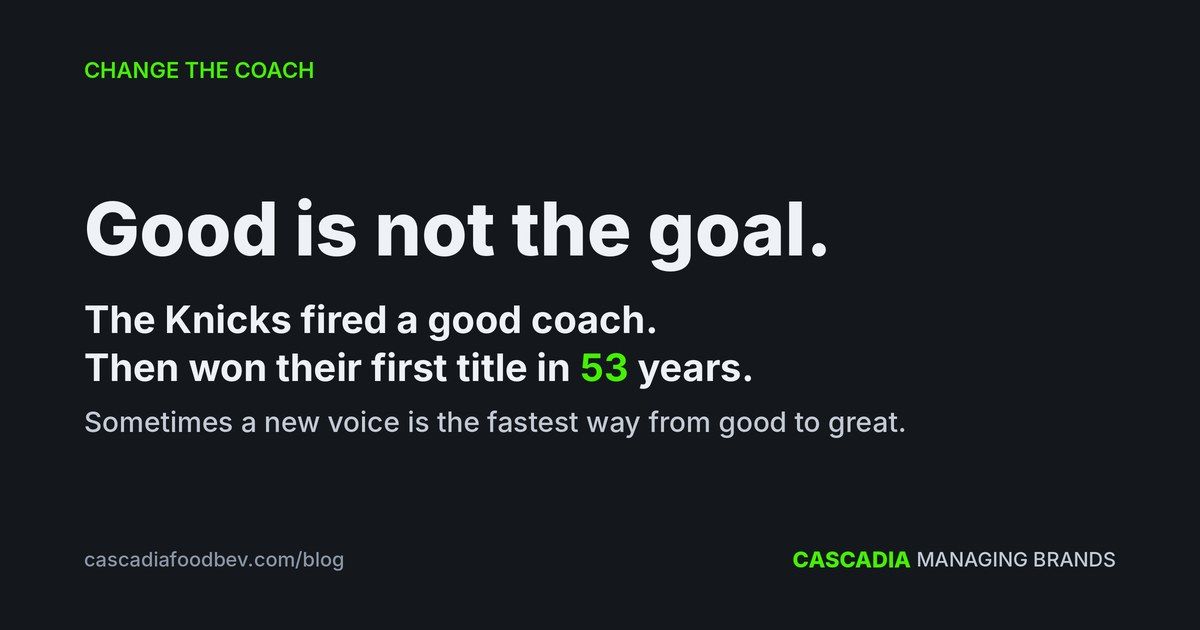
Change the Coach
This article discusses how settling for ‘good’ in sports coaching parallels business complacency, urging brands to seek excellence by embracing change.
How to Make Your Product Go Viral
Explore why virality can’t be manufactured and how brands succeed by creating compelling products and reacting quickly to trends.
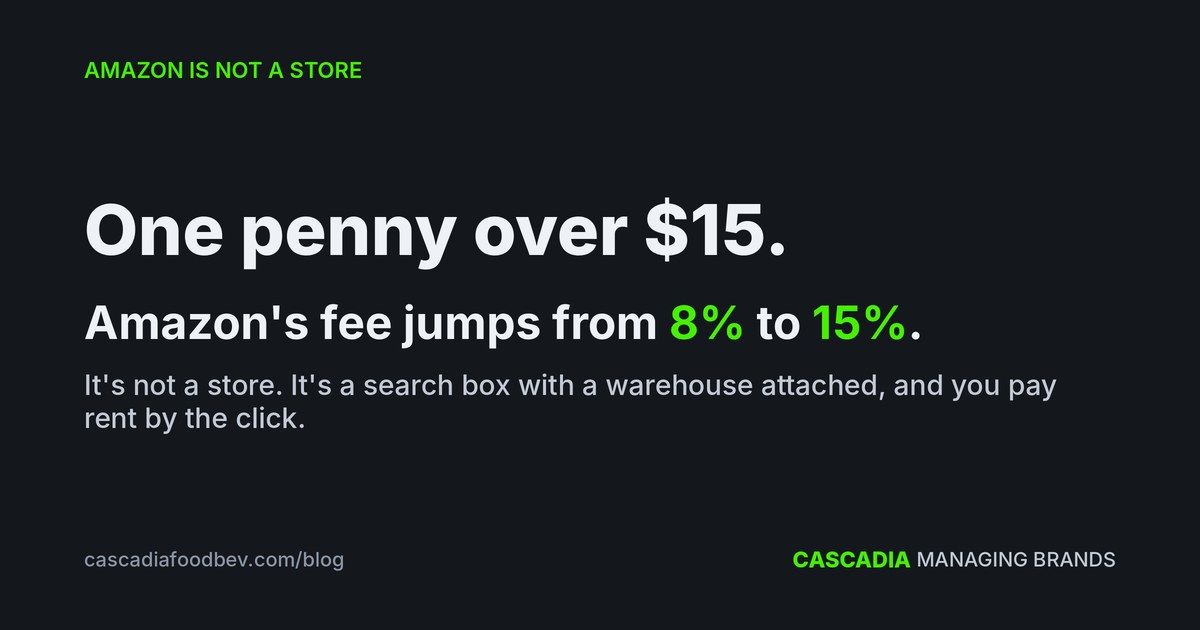
Amazon Is Not a Store
This article explains the real costs and challenges of selling products on Amazon, including fees, advertising competition, and discoverability struggles.
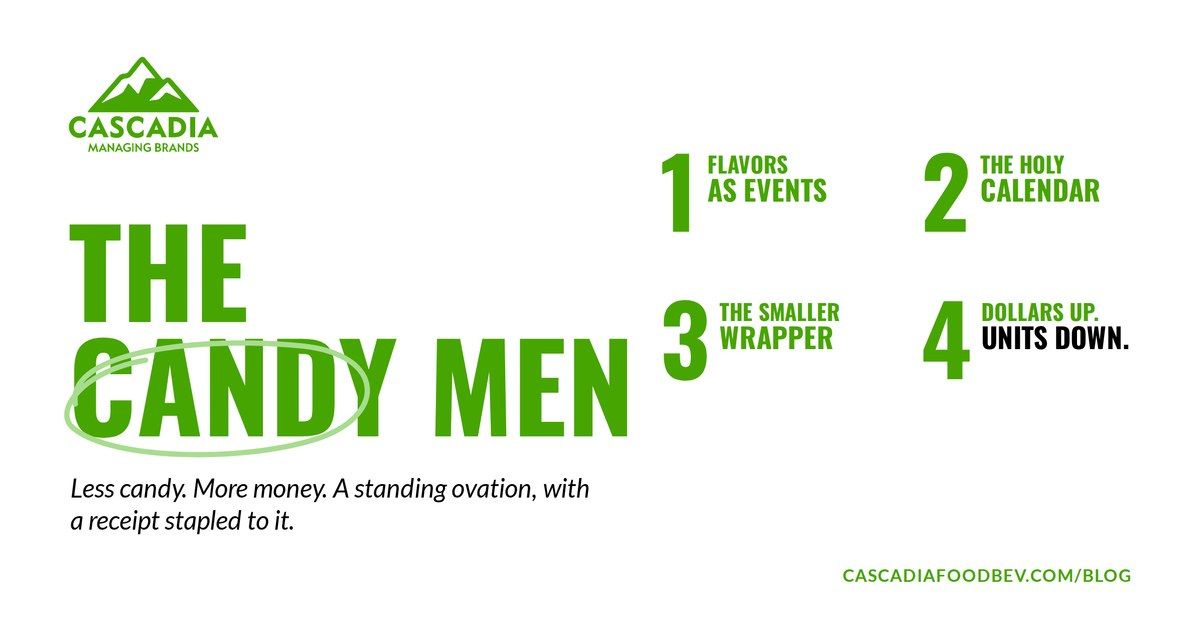
The Candy Men
The candy industry has a record year despite Americans eating less candy and cutting sugar. Innovative marketing and product launches keep sales strong.
No Reservations. Just Appointments.
This article shares first-hand experiences selling American food brands globally, exploring unique grocery retail traditions and what they reveal about culture and business.
150 Things To Do
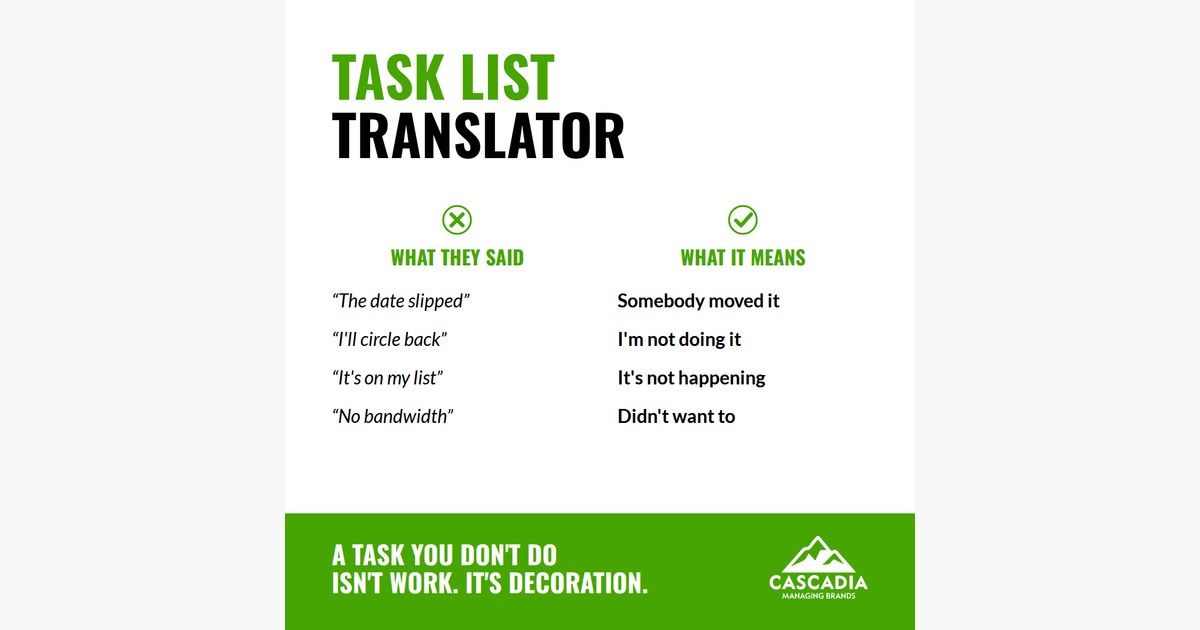
This article explains why lengthy to-do lists often hinder productivity and offers practical steps to manage tasks effectively and get things done.
Surcharge
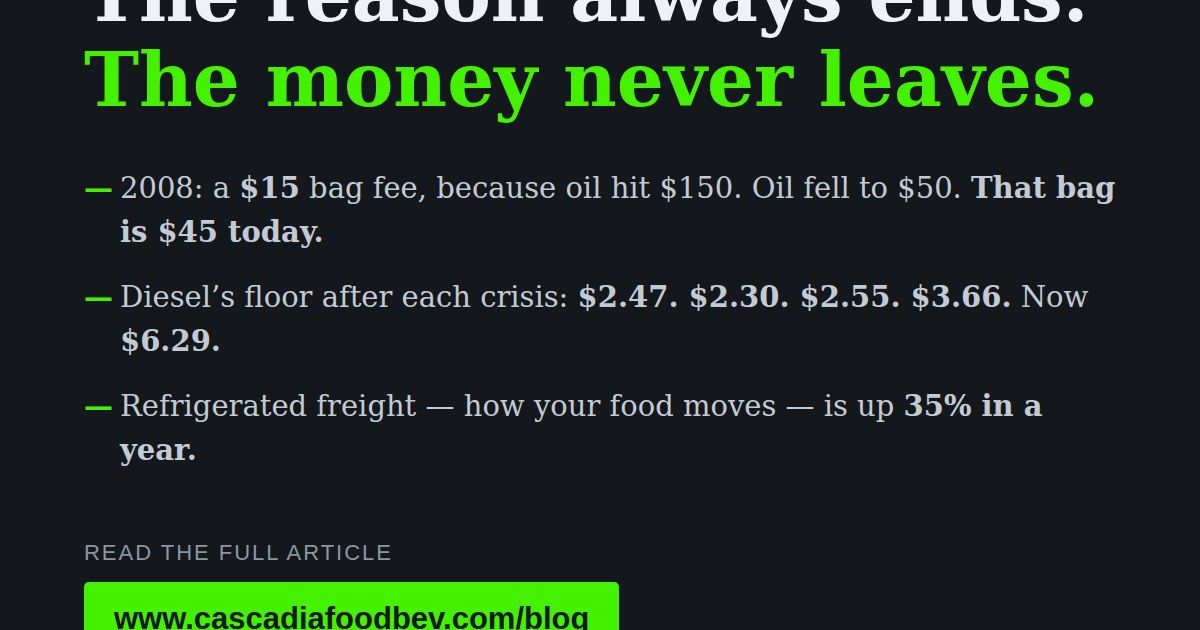
This article examines how airlines introduced fuel surcharges as emergency fees that persist today, affecting ticket costs long after fuel prices changed.

Footprint
This article examines the concept of ‘footprint’ in American food manufacturing, revealing its impact on plant closures, job shifts, and contract manufacturing growth.
Swipe
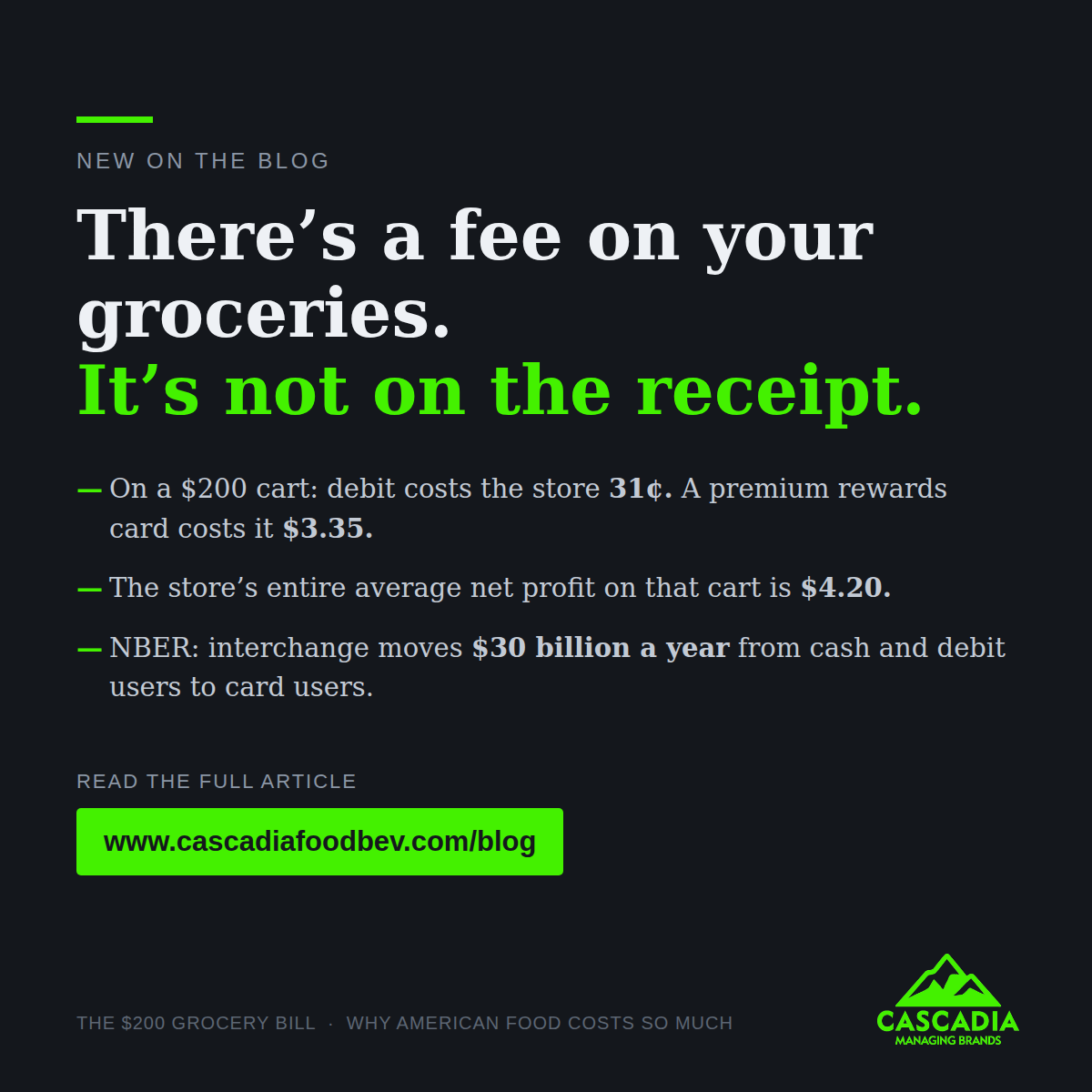
This article reveals the hidden swipe fee on grocery bills, explaining its size, how it’s calculated, and why it’s never shown on receipts.
Who Paid For the Merger?
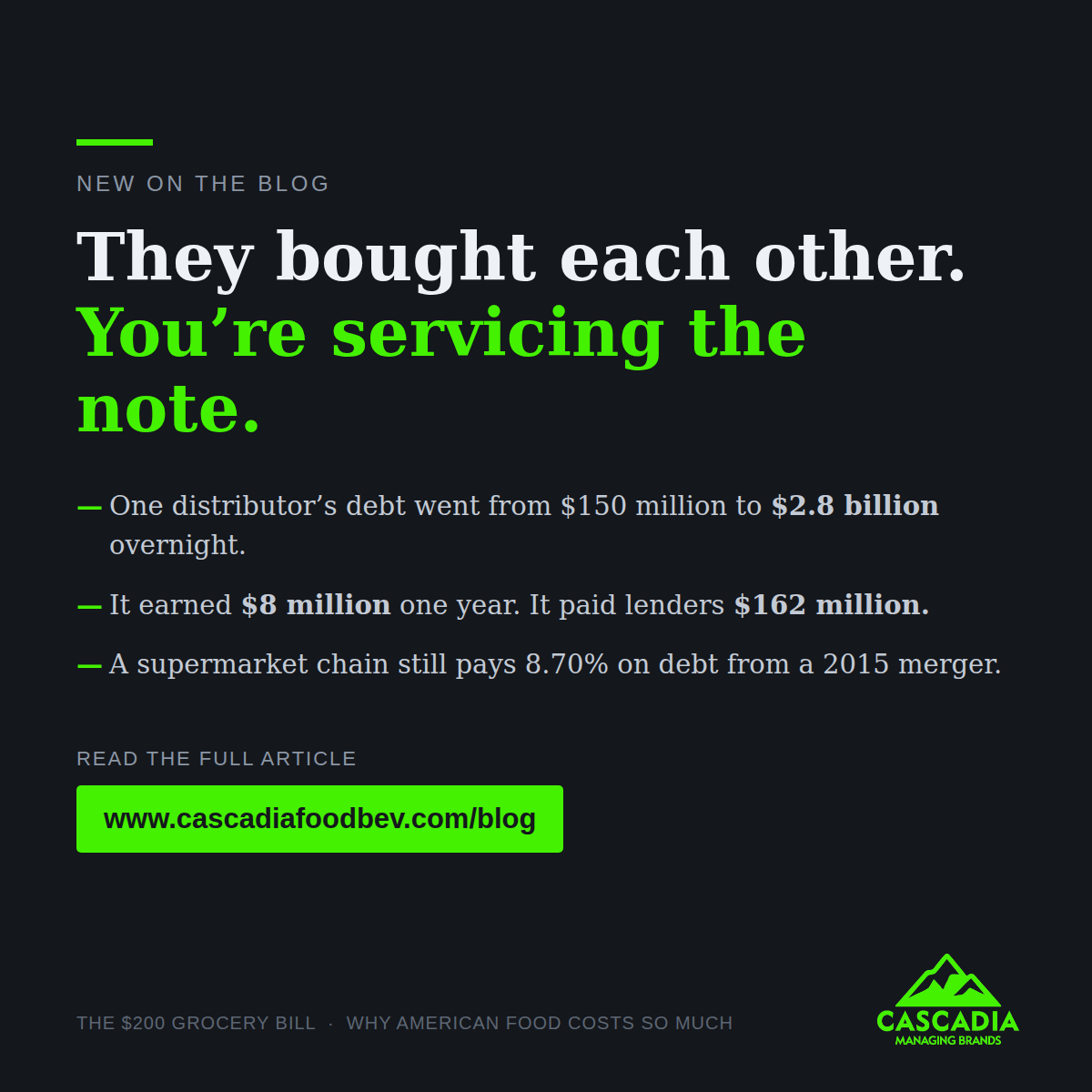
This article reveals how mergers in the food industry create massive debt, leading to high costs that don’t lower consumer prices.
Six Inches Apart
This article explains the price gap between store brands and national brands, uncovering the true costs behind your grocery bill.

Nobody Approved It: An Uncomfortable Look at Why American Food Costs So Much
How grocery retailers and distributors take fees and deductions out of supplier invoices before anyone approves them — and why the real cost to shoppers isn’t the fee, it’s the cheaper brand that never reaches the shelf.
Your Grocery Store Isn’t Selling Your Groceries. It’s Selling You.
Grocery retail data collection and the loyalty program economy
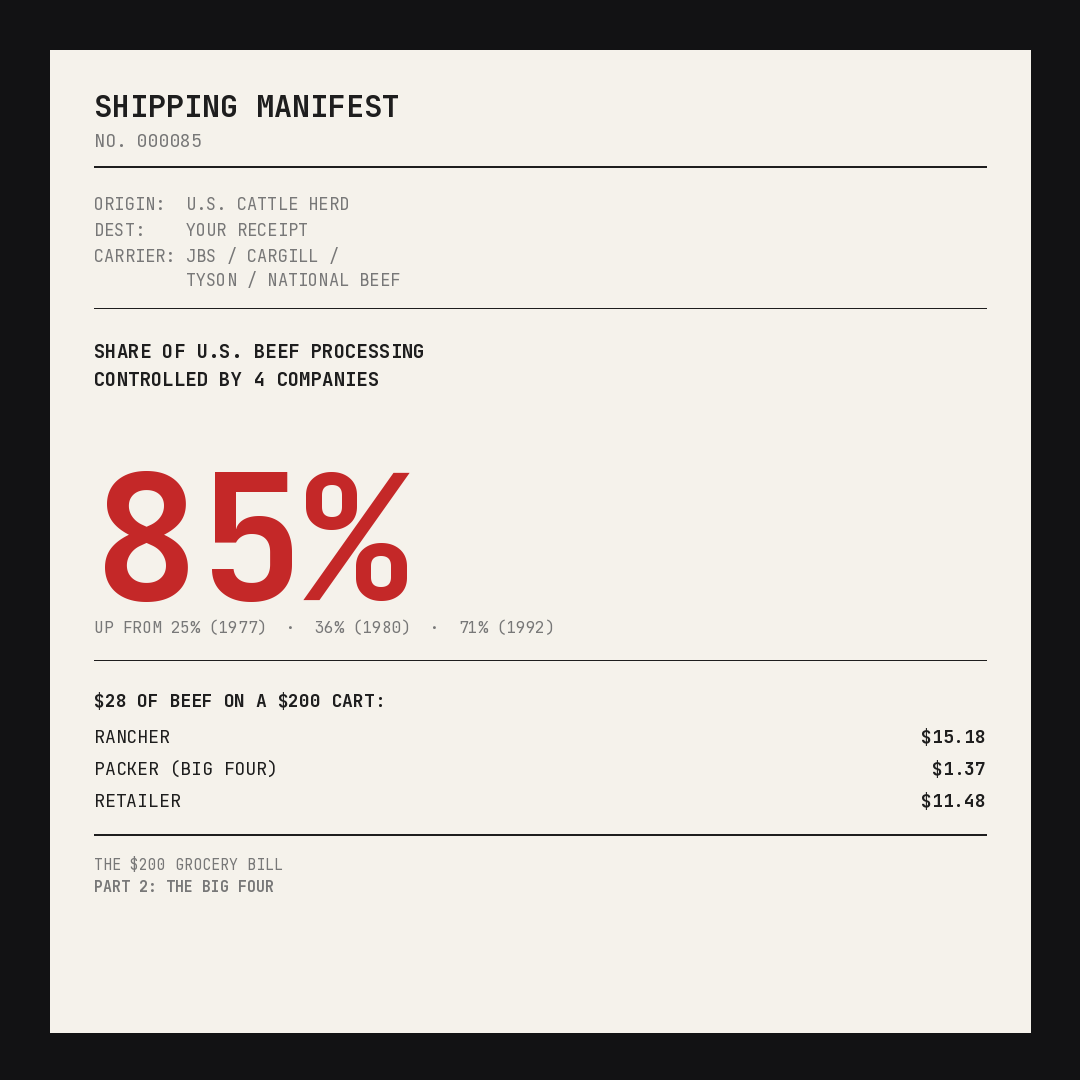
The Big Four and the Money Behind Them — Part 3 of The $200 Grocery Bill: An Uncomfortable Look at Why American Food Costs So Much
Part 3 of The $200 Grocery Bill. Four companies — JBS, Cargill, Tyson, and National Beef — control 85% of U.S. beef processing. How that concentration actually reaches your grocery bill: not through packer margins (thin, currently negative), but through control of the reference price itself. Plus the subsidy shell game, foreign ownership behind American brands, the cop who isn’t allowed in, and the private-equity debt trick that turned a grocery chain into collateral.
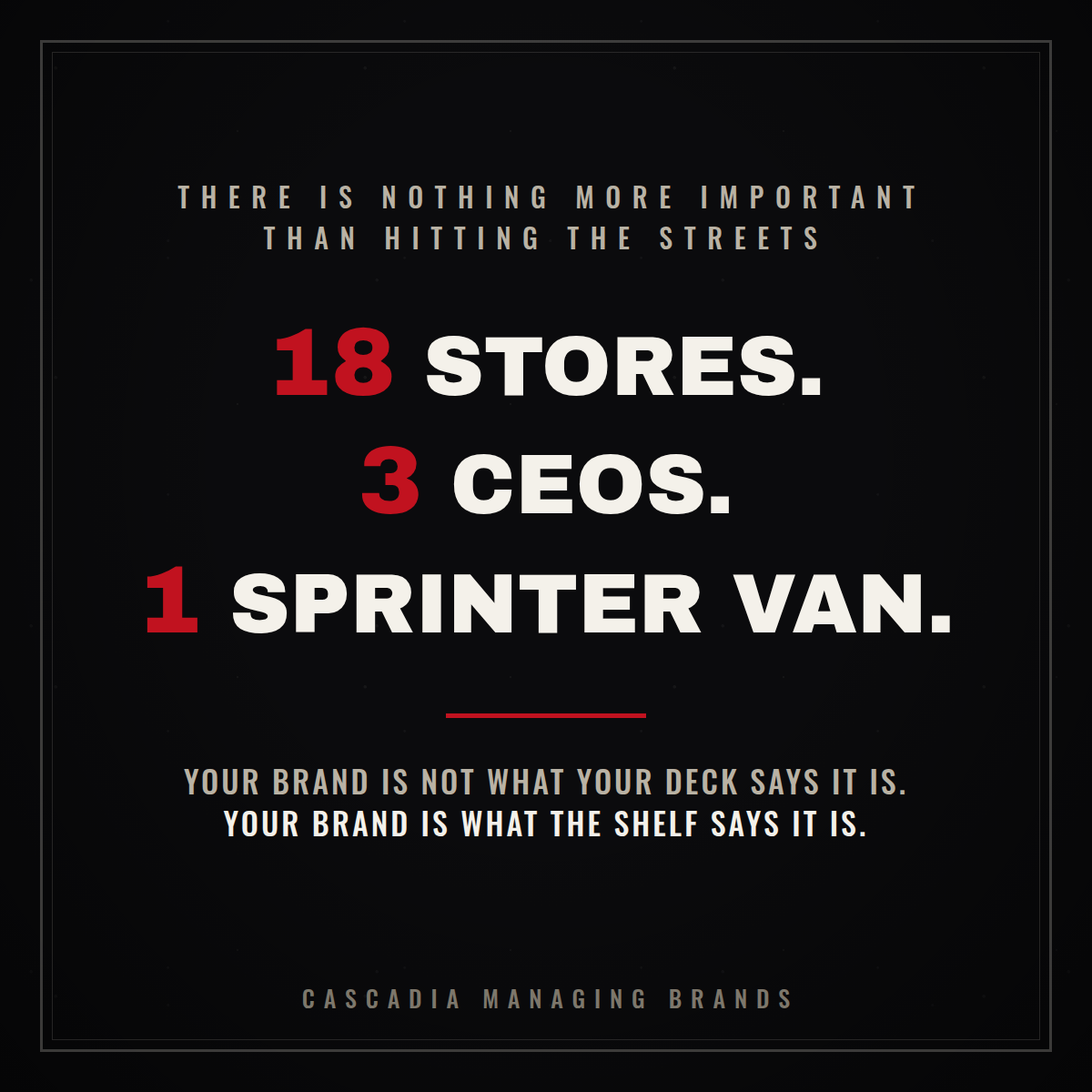
Three CEOs in a Sprinter Van: Why Nothing Matters More Than Hitting the Streets
Why hitting the streets matters more than the boardroom in CPG — field lessons from a day visiting 18 NYC retail accounts with three CEOs, and the retail execution details (merchandising, POS, pricing, schematics) that separate good brands from great ones
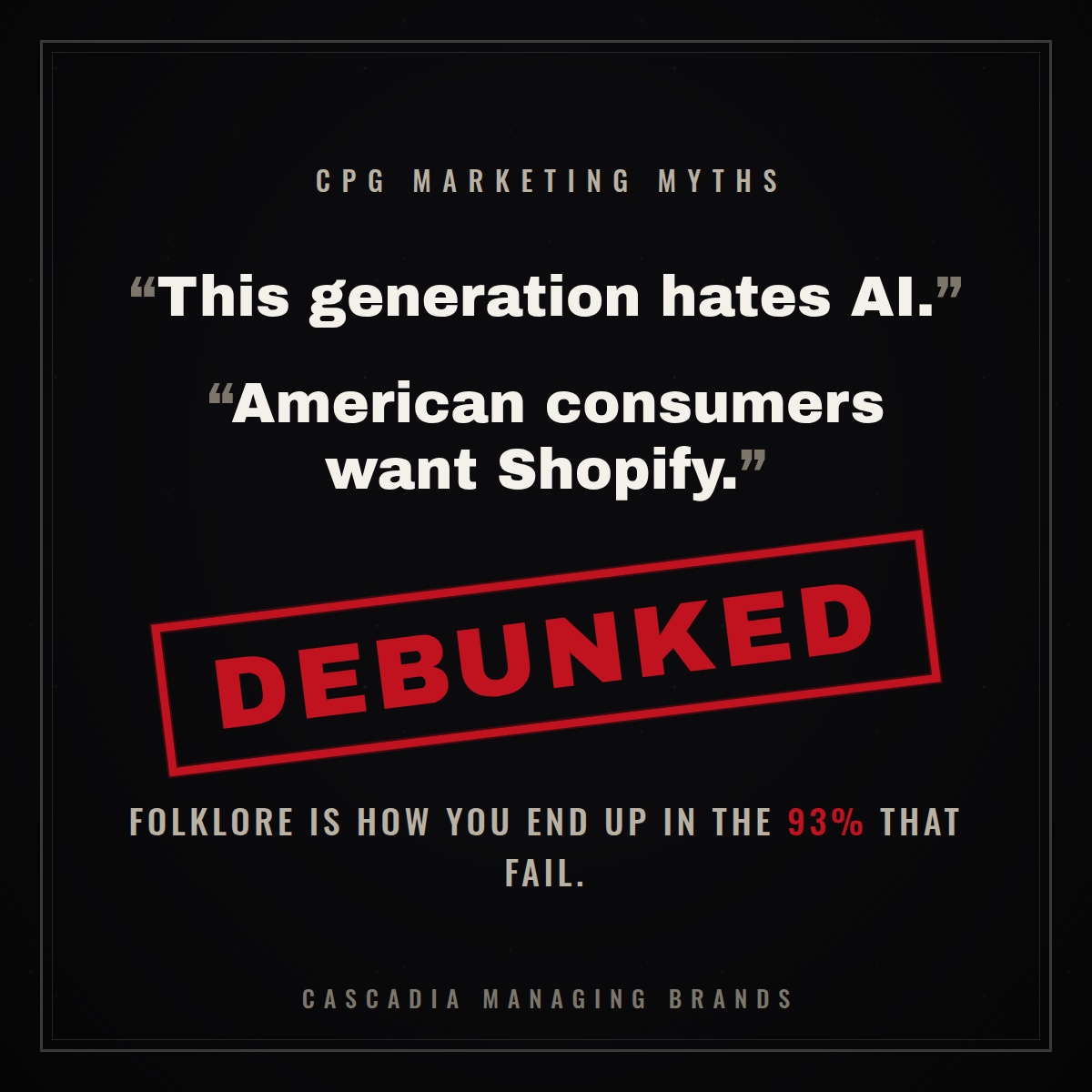
CPG Marketing Myths Debunked: Things Founders Tell Me That Are Simply Not True
MAIN TOPIC: Debunking CPG marketing myths — false “facts” food and beverage founders repeat without checking, and what the data actually says
Everyone Wants to Be Liquid Death. Nobody Wants to Do What Liquid Death Did.
How Liquid Death really built its brand — and why food and beverage founders who say they want to copy it do the opposite

The $100 Million Guillotine: Food and Beverage Brands That Were “Too Small to Keep”
Food and Beverage “Failures”

The Biggest Fails in the Food and Beverage Industry — And What Brands Can Learn From Them
The food and beverage industry is one of the most competitive markets in the world. Every year, brands invest billions…