

Explore why virality can’t be manufactured and how brands succeed by creating compelling products and reacting quickly to trends.
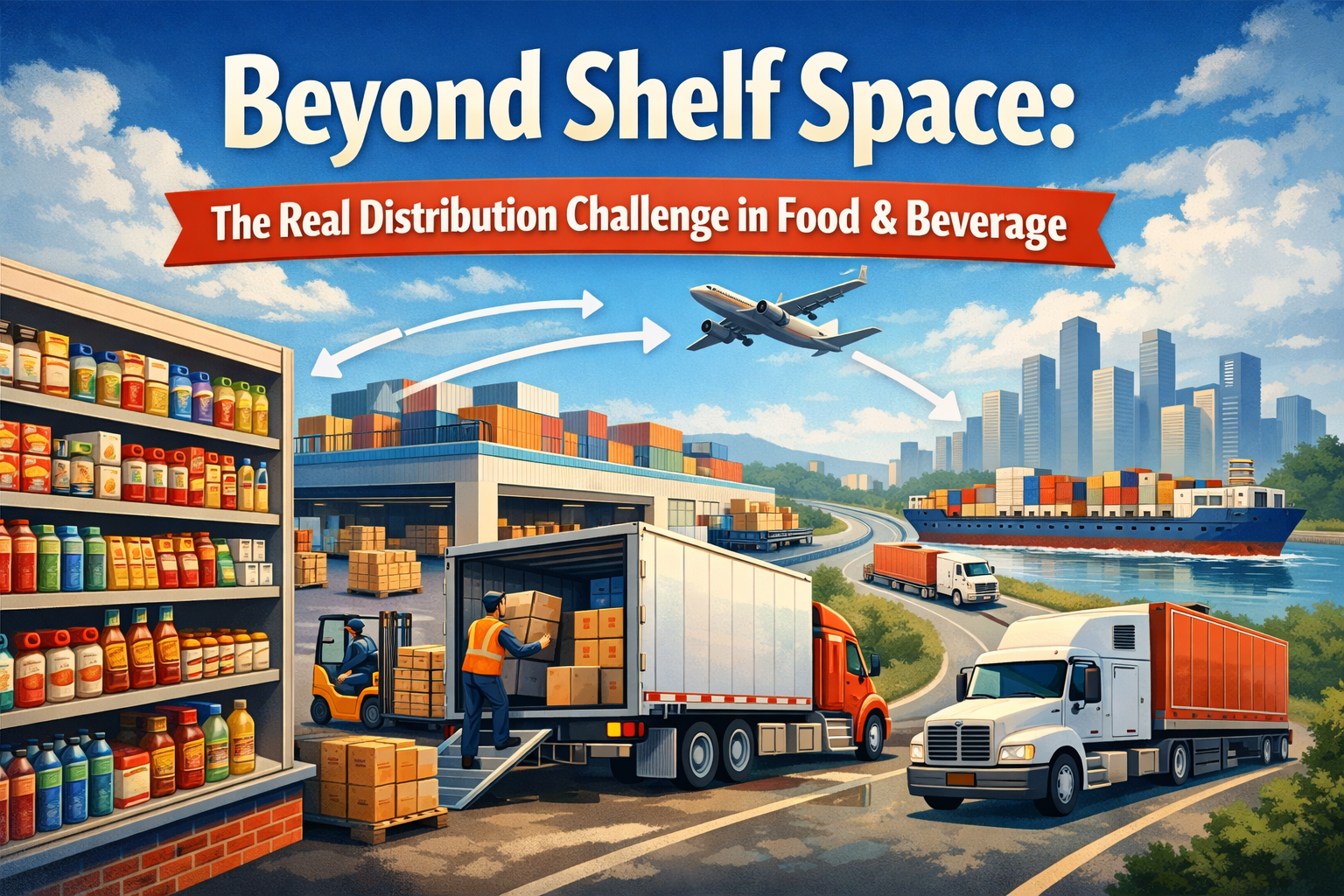
Beyond Shelf Space: The Real Distribution Challenge in Food & Beverage
Walking through the bustling aisles of the Natural Product Expo West, I was struck by a curious trend: countless companies proudly declaring their status as ‘national’ brands, all thanks to their partnerships with distributors like UNFI and KeHe. It was almost as if they were wearing badges of honor, with the reality of what ‘national’ truly means often lost in the excitement of the moment. Spoiler alert: just because you have a contract with a major distributor doesn’t mean your products are flying off the shelves nationwide.
Let’s take a step back. Distributors, especially the likes of UNFI and KeHe, certainly play a crucial role in getting products into stores. They are the logistical wizards who ensure that your organic kale chips make it from the factory to the retail shelf. But let’s not kid ourselves; their job is to deliver. That’s it. The real work—the hard slog of building a brand, creating demand, and nurturing relationships with retailers—is still squarely on your shoulders or, if you’re lucky, your broker’s.
As I listened to pitch after pitch, my mind drifted to the over 350+ Direct Store Delivery (DSD) distributors who also sell food and beverage products. Yes, you heard that right—350+! It’s a veritable buffet of options, each one requiring its own unique approach. So, who’s calling on these distributors? Who’s building those relationships, crafting those pitches, and navigating the complexities of a local market? Certainly not the folks who think they can sit back and wait for their products to magically appear on the shelves.
In this era of food and beverage branding, being ‘national’ is just the tip of the iceberg. The true distribution challenge lies beneath the surface, where the real work happens. It’s about understanding the nuances of various markets, tailoring your approach to each distributor, and, yes, making those calls. So, the next time someone tells you they’re a ‘national’ brand, remember: the road to true distribution success is a winding one, filled with more than just a shiny invoice from a large distributor.
“National distribution? More like ‘nationally hopeful’—hopeful that someone else will do the heavy lifting!”
In the food and beverage industry, distributors like UNFI and KeHe often take center stage, presenting themselves as the gatekeepers to national distribution. They offer a semblance of credibility and reach that can be enticing for emerging brands. However, it’s essential to peel back the layers of this façade to understand both the strengths and limitations that these distributors bring to the table.
On one hand, distributors like UNFI and KeHe have established relationships with numerous retailers, providing brands with access to a wide array of shelf space across the country. Their strengths include:
- Established Networks: They have a robust network of retailers, making it easier for brands to get their products into stores.
- Logistical Expertise: Handling the logistics of distribution is their bread and butter, allowing brands to focus on other aspects of growth.
- Market Reach: They can offer a national footprint, which can be enticing for brands looking to scale quickly.
However, while these strengths are noteworthy, the limitations are equally significant. Relying solely on a large distributor can sometimes lead to complacency. Brands may mistakenly believe that simply getting a product listed is the end of the journey. Unfortunately, this is just the beginning. The reality is:
- Limited Attention: With thousands of products in their portfolio, your brand might not receive the attention it desperately needs to thrive.
- One-Size-Fits-All Approach: Distributors often utilize standardized approaches, which may not cater to the unique needs of innovative or niche brands.
- Marketing Responsibility: The onus of marketing and brand-building falls squarely on the shoulders of the brand or their brokers, leaving them to navigate the complex web of retailer relationships and consumer engagement.
“So, while you may be thrilled to be considered ‘national’ because of your distributor, remember: just because your product is on the shelf doesn’t mean it’s moving off the shelf.\”
Ultimately, the discussion around distributors shouldn’t stop at the likes of UNFI and KeHe. Brands must also engage with the over 350+ Direct Store Delivery (DSD) distributors who play a crucial role in the food and beverage landscape. These smaller distributors often have specialized knowledge of local markets and consumer preferences, making them invaluable partners in a brand’s growth journey. As you build your strategy, consider that the real distribution challenge lies not just in getting shelf space, but in ensuring your product is seen, understood, and loved by consumers.
In the bustling world of food and beverage distribution, many brands proudly declare themselves as \”national\” simply because they have secured a partnership with heavyweights like UNFI and KeHe. While this is undoubtedly a step in the right direction, it’s essential to understand that this is merely the tip of the iceberg when it comes to achieving true national reach. Enter the unsung heroes of distribution: Direct Store Delivery (DSD) distributors.
With over 350 DSD distributors actively selling food and beverage products across the country, the landscape is anything but straightforward. These distributors are the lifeblood of many brands, ensuring that products are delivered directly to stores, circumventing the complexities of traditional distribution models. But here’s the kicker: while your distributors are out there playing the role of delivery service, who is actually managing the relationships and positioning your products effectively on the shelves? Spoiler alert: It’s not the DSD distributors.
When you think about the logistics of launching and maintaining a successful food and beverage brand, it becomes clear that relying solely on DSD distributors is a recipe for stagnation. Sure, they may deliver your goods, but without a dedicated team – be it your own staff or savvy brokers – actively engaging retailers and strategizing for optimal product placement, your brand may remain just another face in the crowded aisles of grocery stores.
Consider this: DSD distributors have their own priorities, often focusing on their established relationships and best-selling products. If your brand isn’t getting the attention it deserves, it’s time to ask yourself: who is calling on these distributors? Who is advocating for your products among the sea of options available to retailers?
“Just because you’re in the hands of a DSD distributor doesn’t mean you’re on the radar of every store manager. It’s time to step up your game!”
In this competitive arena, it’s crucial to recognize that DSD distributors are not a magic bullet for brand success. They are, in fact, just one piece of the puzzle. To truly capitalize on your distribution potential, brands must engage actively with DSD networks while also investing in strategic marketing and sales initiatives. Only then can you hope to elevate your brand from the shadows and into the spotlight of retail success.
In the food and beverage industry, many emerging brands mistakenly equate having their products on the shelves with achieving sales success. Simply being \”national\” because you’re distributed by UNFI or KeHe might give you a warm, fuzzy feeling, but it’s only the tip of the iceberg. These distributors do an excellent job of delivering your products to a warehouse, but what happens next? Let’s just say, the real magic (or lack thereof) happens when those products hit the shelves.
It’s crucial to understand that shelf space doesn’t guarantee sell-through. A study by Nielsen revealed that nearly 70% of new products fail within the first year, a large portion of which can be attributed to inadequate marketing and lack of consumer awareness. So, congratulations! You’re on the shelf—but are consumers even aware of your product’s existence?
This brings us to the often-overlooked role of brokers and marketing teams. Their job is to create awareness and drive demand, while the distributors focus on the logistics of delivering products. But here’s the kicker: who’s calling on the over 350+ Direct Store Delivery (DSD) distributors that cater to the food and beverage sector? Spoiler alert: it’s rarely the manufacturer.
“Having the right product in the right place is great, but if nobody knows it’s there, it’s like throwing a party no one is invited to.”
Many brands assume that once their products land with a distributor like UNFI or KeHe, the hard work is done. How delightful! But in reality, navigating the distribution landscape requires ongoing effort and strategy. Engaging with a plethora of DSD distributors is critical, as they often have established relationships with retailers and insights into local consumer behaviors. Without this direct outreach, even the most innovative products can languish in obscurity.
Additionally, it’s essential to analyze the sales data from these distributors. Understanding which products are moving and which are gathering dust can provide invaluable insights for future production and marketing strategies. A brand’s success is not just about getting on the shelf; it’s about being the brand that consumers choose to buy time and again.
In conclusion, while it may be tempting to bask in the glory of distribution partnerships, the reality is that achieving sell-through is a multifaceted challenge. You must think beyond just having shelf space and embrace the need for a comprehensive strategy that includes consumer engagement, marketing, and relentless follow-up with distributors. After all, in this industry, it’s not just about being present; it’s about being present and relevant.
In the ever-evolving landscape of food and beverage distribution, it is all too easy for new brands to bask in the glow of having their products available through major distributors like UNFI and KeHe. However, let’s not kid ourselves; this is merely the tip of the iceberg. While these distributors do play a crucial role in getting products onto shelves, the reality is that the journey doesn’t end there. This is where brokers come into play, and if you’ve ever attended a trade show, you know they’re the unsung heroes of the distribution world.
Brokers are not just salespeople; they are relationship managers, negotiators, and, dare I say, the connective tissue that links brands to retailers and distribution centers. They wield influence and possess knowledge that can make or break a brand’s entry into the market. Let’s face it, without a broker’s well-groomed connections, your shiny new product might as well be a gourmet pickle in a sea of ketchup.
“Sure, you might be distributed by a major player, but who’s actually calling on all those over 350+ DSD distributors selling food and beverage products? Spoiler alert: It’s probably not you!”
The importance of brokers extends beyond their ability to charm retailers. They have their fingers on the pulse of market trends, consumer preferences, and pricing strategies. They know which distributors are looking for the next big thing and which ones are only interested in playing it safe with established brands. This insight is invaluable for brands trying to navigate the complex distribution maze.
Additionally, brokers serve as a bridge between the brand’s vision and the practical realities of retail execution. They understand that securing shelf space is just one battle in a much larger war. Once your product is on the shelf, it’s essential to maintain that momentum through promotions, marketing support, and ongoing communication with distributors. A good broker will ensure that your product is not just a fleeting presence but a staple that consumers reach for time and again.
In conclusion, if you think your product’s placement in a few stores equates to being a national brand, think again. The real distribution challenge lies in engaging with the myriad of DSD distributors and leveraging the expertise of brokers. So, if you’re serious about growth, remember that while logistics are crucial, the relationships brokers cultivate are where the real magic happens.
In the ever-evolving landscape of food and beverage distribution, brands that successfully navigate the complexities often stand out from the crowd. One such example is Brand X, a plant-based snack company that recognized early on that merely being \”national\” through larger distributors like UNFI and KeHe was not enough. They took a proactive approach by engaging with over 350 DSD (Direct Store Delivery) distributors, understanding that these smaller players were vital in getting their products into local stores.
Brand X’s strategy included:
-
- Localized Marketing: They tailored their marketing efforts to resonate with the communities served by each DSD distributor, ensuring that their message was not just heard but felt.
-
- Building Relationships: Instead of just treating distributors as delivery services, they cultivated relationships, understanding their needs, and helping them sell the product effectively.
-
- Feedback Loops: By creating feedback channels with their distributors, Brand X was able to adapt quickly to market demands and preferences, often before larger competitors could react.
“Being national is great, but if your product isn’t on the shelf, does it even exist?” – Brand X’s CEO
Another noteworthy case is Brand Y, a beverage company that initially relied heavily on traditional retail channels. However, after realizing that their sales were stagnant, they pivoted towards utilizing local DSD distributors who had established relationships with independent grocery stores and cafes. This approach allowed them to:
-
- Enhance Availability: By tapping into the DSD network, Brand Y was able to place their products in places where larger retailers often overlooked.
-
- Increase Brand Visibility: They ensured their products were not just delivered but
-
- Utilize Data: DSD distributors often have valuable data on consumer preferences, which Brand Y leveraged to refine their product offerings and marketing efforts.
In conclusion, successful navigation of the distribution landscape in the food and beverage industry requires more than just a label of being \”national.\” Brands that recognize the importance of engaging with a diverse range of distributors, particularly DSD partners, often find themselves ahead of the curve. After all, what’s the point of having a product if it’s not making it onto the shelves where consumers can see it?
So, you’ve just returned from the Natural Product Expo West, and you’re feeling inspired. You’ve encountered a plethora of brands proudly declaring themselves ‘national’ simply because they’ve secured distribution through UNFI and KeHe. Congratulations! But let’s pause for a moment and consider the real landscape of distribution in the food and beverage sector. Spoiler alert: it’s not just about having a name drop in your pitch deck.
While having a national distributor is a fantastic start, it’s merely the tip of the iceberg. Yes, these distributors will deliver your products, but they’re not your marketing team or your sales force. That’s where you, or your broker, come into play. Your job is to handle everything else—like building relationships, crafting a compelling story for your brand, and, oh, I don’t know, convincing retailers that they need your product on their shelves.
Now, let’s talk about those elusive 350+ Direct Store Delivery (DSD) distributors out there. These distributors may not have the glitzy reputation of UNFI or KeHe, but they often hold the keys to regional success. Each one has its own network of relationships, strengths, and weaknesses, and navigating this maze can feel like trying to solve a Rubik’s Cube blindfolded.
Here’s an actionable approach to tackle this distribution conundrum:
- Research and Understand: Identify which DSD distributors align with your brand values and target market. Not all distributors are created equal, and finding the right partners can make all the difference.
- Build Relationships: Don’t just send cold emails. Attend local trade shows or industry events and introduce yourself. Personal connections can turn into valuable partnerships.
- Be Prepared: When approaching a distributor, have your sales materials ready. This includes product samples, pricing, promotional materials, and a clear understanding of your brand’s positioning.
- Leverage Data: Use market research to show potential distributors that your product has demand. Sales data, customer feedback, and even social media engagement can help you make your case.
- Stay Persistent: The first call or email might not yield results, but persistence is key. Follow up and stay on their radar without being a nuisance.
“Remember, just because you have a distributor doesn’t mean your product will fly off the shelves. You need a comprehensive strategy that goes beyond simply getting your product into their hands.”
In conclusion, while securing a national distributor is a step in the right direction, the journey to successful distribution is a marathon, not a sprint. Embrace the challenge and remember that each distributor you engage with is a potential partner in your brand’s growth story. Now get out there and make those calls!
In the fast-paced world of food and beverage distribution, simply claiming to be a \”national\” brand because you have the backing of UNFI or KeHe is akin to saying you’re an astronaut because you’ve held a toy rocket. It’s a start, sure, but it’s hardly the final frontier.
As we’ve explored throughout this article, the landscape of distribution goes far beyond securing a slot on the shelves of your favorite grocery store. The reality is that distribution is a multifaceted challenge that requires strategic thinking, keen relationships, and a healthy dose of hustle. While distributors like UPS play a crucial role in delivering your products from point A to point B, the real heavy lifting falls on your shoulders—or those of your broker. Your job is not merely to supply products; it’s to create demand, fuel brand loyalty, and navigate the intricate web of retailers, consumers, and, yes, those elusive DSD (Direct Store Delivery) distributors.
Let’s take a moment to consider the staggering number of DSD distributors—over 350 and counting! Each one of these distributors has its own unique set of relationships, preferences, and operational quirks. If you think securing shelf space with a major distributor is the end of the line, think again. It’s just the tip of the iceberg, and if you’re not calling on those DSD distributors, your brand might as well be a ghost in the grocery aisles.
To achieve real distribution success, consider the following key takeaways:
- Understand Your Distributors: Each distributor has its unique strengths. Leverage this knowledge to align your brand with the right partners.
- Build Relationships: Your success hinges on cultivating strong relationships not just with major distributors but also with smaller DSD players who can make or break your presence in local markets.
- Be Proactive: Don’t wait for opportunities to come to you. Get out there, meet the distributors, and showcase your brand’s potential.
- Think Beyond the Shelf: Understand that shelf space is just a starting point; consider how your brand can engage with consumers in-store and beyond.
“Without a strategic approach to distribution, even the best products can languish on the shelves, leaving brands to ponder the age-old question: ‘If a product is on the shelf and no one buys it, does it make a sound?”
In conclusion, navigating the distribution landscape in the food and beverage industry requires a strategic mindset and relentless effort. It’s not just about getting your product out there; it’s about ensuring that your brand resonates with consumers and stands out amidst the competition. Embrace the challenge, think strategically, and watch your brand flourish in the bustling marketplace.